Source Eco Friendly 10 Inch Ceramic Plate for Dining
Compare 30 listings for eco friendly 10 inch ceramic plate options featuring durable, non-toxic materials. These minimalist, dishwasher-safe plates are suitable for all occasions, with customizable designs and origins in China; compare the available evidence and request quotations based on your requirements.
Key considerations
Products List


Comprehensive Sourcing Guide
Eco Friendly 10 Inch Ceramic Plate Sourcing Guide
Procuring eco-friendly ceramic plates requires distinguishing between marketing claims and verified material properties. Buyers must prioritize suppliers who explicitly state the use of unbreakable ceramics or high-refractoriness materials capable of withstanding extreme thermal stress. The observed market data indicates a strong presence of products labeled as non-toxic and dishwasher safe, which are essential for commercial food service environments.
Sourcing decisions should focus on verifying the specific manufacturing technique, such as kiln firing, which directly impacts the durability and safety of the final product. While some listings mention customizable patterns and shapes, the core material integrity remains the primary concern for long-term operational reliability. Buyers should ensure that the "eco-friendly" designation is backed by tangible attributes like non-disposable construction and specific density ranges rather than vague environmental assertions.
Product Scope and Observed Listing Signals
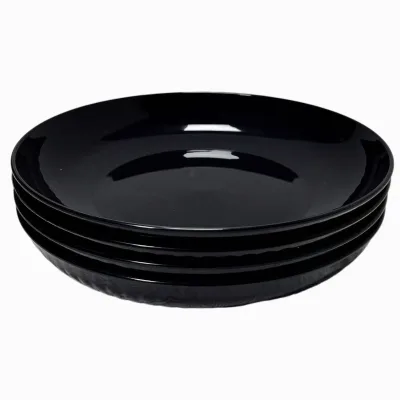
The current market offers a diverse range of ceramic plate options, including minimalist designs and customized patterns available in white or ivory finishes. Listings frequently highlight specific dimensions, such as the 10-inch variant, alongside other sizes like 8-inch and 12-inch options to suit various dining needs. These products are generally categorized as round dinnerware plates, with some specialized models featuring double-leaf disc structures for unique serving applications.
Buyers should note that while many suppliers offer single-item selling units, the actual Minimum Order Quantity often starts at 300 pieces, requiring careful inventory planning. The observed price range is broad, suggesting significant variation in material quality and production costs. It is critical to verify whether the "10-inch" specification refers to a standard model or a custom dimension, as some listings indicate size customization is available but may alter the lead time and unit cost.
Technical Specifications to Verify
Technical due diligence must confirm the refractoriness of the ceramic material, with observed data suggesting a range between 1580 and 1770 degrees Celsius for high-performance variants. This thermal resistance is crucial for ensuring the plates can withstand industrial dishwashing cycles without cracking or deforming. Additionally, the density of the material, typically observed between 3.6 and 3.9, serves as a key indicator of the ceramic's structural integrity and resistance to wear.
Buyers should also verify the maximum operating temperature, which some listings cite as high as 1800 degrees Celsius, though this likely refers to the firing process rather than daily usage limits. The shape is predominantly round, but the specific diameter must be confirmed against the intended serving requirements. Ensuring the product is non-disposable and made from durable ceramic and porcelain materials is essential for maintaining the eco-friendly promise and reducing long-term waste.
Compliance and Safety Documentation
Safety compliance is paramount when sourcing ceramic dinnerware for food contact applications. The presence of FDA certification in the observed data provides a baseline for verifying that the materials used are safe for human consumption. Buyers must request current certification documents to ensure the specific batch of plates meets regulatory standards for heavy metals and chemical leaching, particularly since the products are marketed as non-toxic.
Beyond FDA approval, buyers should investigate whether the supplier adheres to other relevant international safety standards for ceramics. The "eco-friendly" claim should be supported by evidence of non-toxic glazes and safe firing processes. It is advisable to ask for specific test reports regarding the wear resistance and thermal shock properties, as these factors directly impact the safety of the product during repeated use in high-volume food service settings.
Cost Drivers and Commercial Terms
Commercial terms are heavily influenced by the customization level and the specific material composition of the ceramic plates. While standard models may have lower entry costs, the availability of customized patterns and specific dimensions can significantly impact the final price. The observed MOQ of 300 pieces suggests that smaller buyers may face higher per-unit costs unless they can consolidate orders or find suppliers with more flexible production lines.
Lead times are another critical cost driver, with observed delivery windows ranging from 3 to 30 days depending on the order complexity and stock availability. Buyers should clarify whether the quoted price includes specialized packaging, such as wooden cases with foam or standard export cartons, as these add to the overall logistics cost. Understanding the relationship between the selling unit and the total order volume is essential for accurate budgeting and cash flow management.
Supplier Qualification and Quality Control
Supplier qualification requires a thorough review of their manufacturing capabilities, particularly their experience with kiln techniques and high-temperature firing processes. The origin of the products, often listed as Guangdong or Henan in China, indicates specific regional manufacturing hubs known for ceramic production. Buyers should verify the supplier's ability to maintain consistent quality across large batches, especially when dealing with custom orders that require precise adherence to design specifications.
Quality control protocols must be established to ensure that every plate meets the required density and refractoriness standards. Inspections should focus on the structural integrity of the unbreakable ceramics and the consistency of the white or ivory color finishes. It is also important to verify the packing methods, as improper packaging can lead to breakage during transit, negating the durability benefits of the high-quality ceramic material.
Long-Term Procurement Checks
Sustainable procurement involves monitoring the long-term performance of the ceramic plates in real-world conditions. Buyers should track the durability of the non-toxic and dishwasher-safe claims over time to ensure the products do not degrade or lose their aesthetic appeal after repeated use. Regular audits of the supplier's production consistency will help maintain the quality standards required for eco-friendly dining solutions.
Future procurement strategies should include evaluating the supplier's ability to adapt to changing environmental regulations and material standards. As the market evolves, maintaining a relationship with a supplier who can provide updated certification and material data will be crucial. Buyers should also consider the end-of-life disposal options for the ceramic plates, ensuring that the "non-disposable" nature of the product aligns with broader sustainability goals.
FAQs
What material is used for these eco friendly ceramic plates?
The plates are crafted from unbreakable ceramics and porcelain, ensuring durability and safety. This material choice supports eco-friendly standards while providing a robust dining experience. The high refractoriness of 1580 to 1770 degrees Celsius indicates strong heat resistance. Buyers can rely on this composition for long-term use in various settings without compromising on quality or environmental responsibility.
Can I customize the size and pattern of the ceramic plates?
Yes, customization is available for both size and pattern. The standard 10-inch diameter measures 25.5 by 4.5 cm, but other sizes like 9 or 12 inches are offered. Patterns can be customized to meet specific branding needs. This flexibility allows businesses to tailor the minimalist white or ivory designs to their unique requirements, ensuring the final product aligns perfectly with their aesthetic goals.
What certifications do these ceramic plates hold for safety?
These ceramic plates hold FDA certification, ensuring they meet strict safety standards for food contact. This certification confirms the materials are non-toxic and safe for everyday use. The eco-friendly nature of the product is further supported by its durable construction. Buyers can confidently source these plates for commercial or residential use, knowing they comply with recognized regulatory requirements for kitchenware safety.
What is the minimum order quantity for these ceramic plates?
The minimum order quantity is 300 pieces, making it accessible for small to medium businesses. This MOQ allows for manageable inventory levels while still benefiting from wholesale pricing. The flexible packing options, including wooden cases or standard export cartons, support efficient logistics. Buyers can start with this quantity to test market response before scaling up their orders for broader distribution.
How long does delivery take for these ceramic plates?
Delivery typically takes between 3 to 30 days, depending on order size and customization needs. This lead time allows for efficient planning and inventory management. The production process utilizes kiln techniques to ensure quality and durability. Buyers can coordinate with suppliers to align delivery schedules with their business needs, ensuring timely receipt of the eco-friendly ceramic plates for their specific market demands.